


This paper compares two procurement models for refrigerator and freezer parts. It focuses on their impact on cost structure and supply chain resilience. The analysis covers five key dimensions: bargaining power, management cost, logistics efficiency, quality control, and hidden costs. The goal is to help global B2B buyers choose the right strategy. It supports cost optimization and stable supply chain collaboration.
Keywords
One-Stop Procurement, Decentralized Procurement, Refrigerator & Freezer Parts, Cost Control, Supply Chain Management
1. Introduction
The global refrigerator and freezer market faces growing competition. Downstream enterprises must handle rising raw material prices and logistics costs. They also face stricter quality standards and shorter delivery cycles. Procurement decisions directly affect over 60% of total costs.
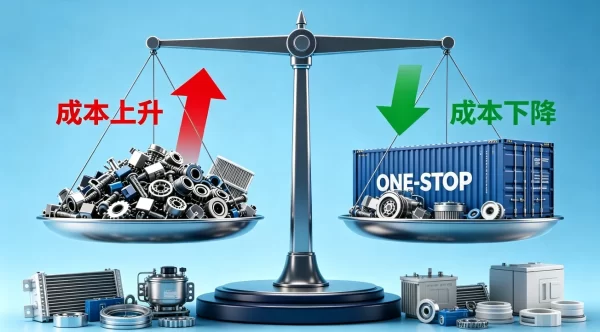
Two main models are used today. Decentralized procurement is common among small and medium-sized enterprises. It offers flexibility but often leads to fragmented orders and high costs. One-stop procurement is favored by larger firms. It leverages scale and integration to reduce costs and improve efficiency.
This paper analyzes both models. It uses the unique traits of refrigerator and freezer parts as context. These include compressors, evaporators, thermostats, and seals. It provides clear guidance for B2B buyers.
2. Core Definitions
One-Stop Procurement
One-stop procurement means working with a single supplier. The supplier handles all parts needs, from compressors to seals. They offer full-process support, including selection, ordering, logistics, and quality control. The model is “one connection, full-category coverage.”
Decentralized Procurement
Decentralized procurement involves multiple suppliers. Buyers split orders by category or specification. Each department handles its own inquiries, negotiations, and deliveries. The model offers flexibility but increases management complexity.
3. Cost Dimension Comparison
3.1 Bargaining Power
Decentralized procurement often results in small, fragmented orders. Suppliers hold stronger bargaining power. Buyers rarely get bulk discounts. For example, refrigerator seals may cost 15–20% more per unit in this model. Price opacity also leads to inconsistent pricing.
One-stop procurement aggregates full-category demand. This creates large-scale purchasing volume. Suppliers offer better unit prices, credit terms, and payment conditions. Core parts like compressors can see a 10–25% unit price reduction. Single-supplier partnerships eliminate price chaos.
3.2 Management Cost
Decentralized procurement requires managing multiple suppliers. Teams repeat inquiries, negotiations, and contract reviews. Labor costs are high, and processes are redundant. Multiple communication and quality systems add complexity. Errors and omissions are common.
One-stop procurement uses a single point of contact. Processes are standardized and centralized. This cuts labor costs by 30–50%. Contract signing, reconciliation, and after-sales support are unified. Internal workflows become simpler and more efficient.
3.3 Logistics Cost
Decentralized procurement relies on multiple small shipments. Delivery times and methods vary widely. Freight costs add up, and logistics losses increase. Delays in key parts can cause production shutdowns. This leads to unexpected downtime losses.
One-stop procurement uses centralized warehousing and logistics. Full-category parts are packaged and delivered together. This reduces freight costs by 20–35%. Unified delivery improves on-time rates. Centralized receiving simplifies inspection and reduces waste.
3.4 Quality Cost
Decentralized procurement faces inconsistent quality standards across suppliers. Inferior parts can enter production. This raises failure rates and after-sales costs. Poor thermostats, for example, may cause cooling failures. These issues harm both profits and brand reputation. Quality inspection processes are also fragmented.
One-stop procurement uses unified quality control systems. All parts meet ISO, CE, and industry standards. A single supplier manages traceability and after-sales issues. This reduces maintenance costs by 40–60%. Quality inspection is streamlined and reliable.
3.5 Hidden Costs
Decentralized procurement carries multiple hidden risks. Supplier qualifications vary, leading to potential defaults and supply disruptions. Multi-supplier data is scattered, making decision-making difficult. Exchange rate and tariff risks are hard to address uniformly.
One-stop procurement offers stronger risk management. Suppliers use large inventories and multi-channel layouts to prevent disruptions. Unified data platforms provide real-time visibility. They support better planning and forecasting. Single suppliers also help coordinate cross-border risk responses.
4. Procurement Strategy Selection
Decentralized procurement works best in specific scenarios. These include small-scale operations with low purchase volumes. It is also suitable for customized, niche, or emergency orders.
One-stop procurement is ideal for medium and large enterprises. It fits full-category, long-term, and stable procurement needs. It supports global production bases and emphasizes quality and reliability.
A hybrid strategy is often the optimal choice. Use one-stop procurement for core parts like compressors and thermostats. Adopt decentralized procurement for niche, customized, or urgent parts. This balances scale benefits with flexibility.
5. Conclusion
Procurement model optimization is critical for cost reduction in the refrigerator and freezer parts industry. Decentralized procurement offers flexibility but struggles with scale and efficiency. It is less suited for large, global B2B operations.
One-stop procurement provides clear advantages. It leverages scale bargaining, process integration, centralized logistics, unified quality control, and risk management. These factors reduce end-to-end costs and strengthen supply chain stability.
For global suppliers, building full-category capabilities is key. They need large-scale inventory, global logistics networks, and professional service teams. These capabilities meet the growing demand for one-stop solutions.
Future trends point to deeper integration of digital tools. Intelligent order systems and data visualization platforms will enhance efficiency. One-stop procurement will remain a cornerstone of cost-effective, resilient supply chains.